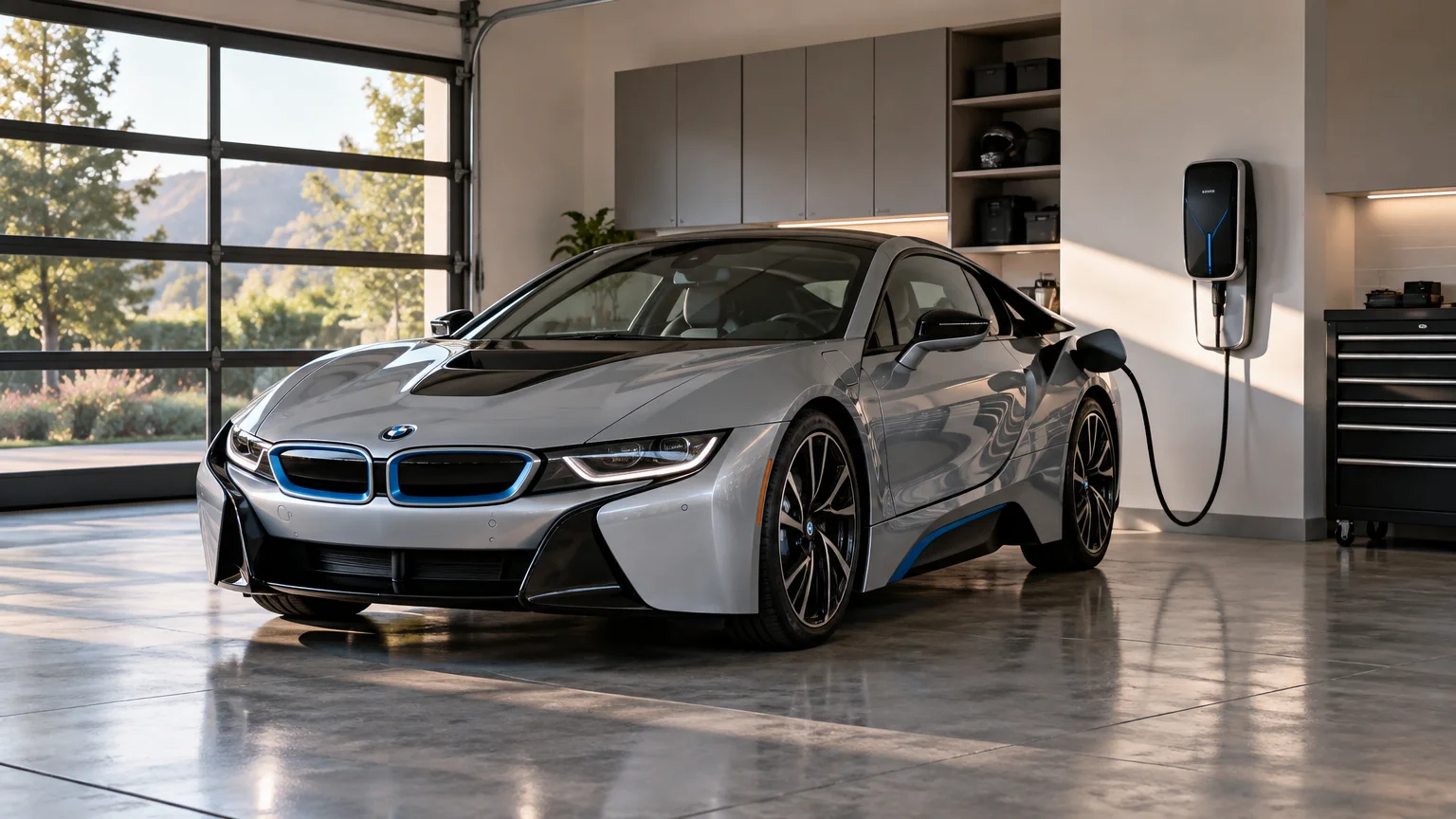
The BMW i8 Still Looks Like the Future
Some cars belong to the year they were built.
The BMW i8 never did.
Its shape looked improbable when it arrived. The doors lifted upward. Air flowed through openings cut into the body. Electric power drove the front wheels while a turbocharged three-cylinder engine worked behind the cabin. Carbon-fiber construction sat beneath a design that seemed to come from a concept-car display.
Years after production ended, the i8 still makes newer cars look cautious.
My BMW i8 is a site for the people who understand why that matters.
We cover the BMW i8 in detail: ownership, buying, maintenance, charging, repairs, modifications, design, values, history, and the experience of living with a car that refuses to disappear into traffic.
But the story does not stop with one model.
We also cover the wider BMW world, from M cars and modern EVs to overlooked classics, new technology, major design decisions, and the cars that show where BMW may be heading next.
This site starts with the i8.
Then it follows every interesting road that leads away from it.
Explore the Latest Stories
A Car That Arrived Before the World Was Ready
The BMW i8 was not built from a familiar sports-car formula.
BMW combined an electric motor at the front with a 1.5-liter turbocharged gasoline engine over the rear axle. The result was a plug-in hybrid with all-wheel drive, multiple personalities, and near-even weight distribution. Its passenger structure made extensive use of carbon-fiber-reinforced material at a time when carbon construction was still associated mainly with far more expensive machines.
It could move quietly under electric power.
It could settle into an efficient highway rhythm.
And when the road opened, both sides of the powertrain could work together.
The numbers were never the whole point. Plenty of cars have become faster since the i8 arrived. Many new electric cars can overwhelm it in a straight line.
But very few cars have made technology feel so theatrical.
The i8 was a rolling argument that efficiency did not need to look responsible or dull. It could have dramatic doors. It could sit low to the ground. It could feel special before the driver even pressed the start button.
That idea has aged well.
Discover the BMW i8
Built for Owners, Not Just Admirers
The i8 attracts attention from people who have never driven one.
Ownership raises a different set of questions.
How does the high-voltage system age? What should a buyer inspect? How practical are the doors in a normal garage? Which tires belong on the car? What happens when an ordinary BMW component is attached to a carbon-intensive exotic body structure?
And perhaps the most common question:
Can you realistically own one without turning every warning light into a financial emergency?
My BMW i8 focuses on those real decisions.
We cover the parts of ownership that become important after the photos have been taken and the first long drive is over:
- Routine maintenance
- Battery and charging questions
- Common warning messages
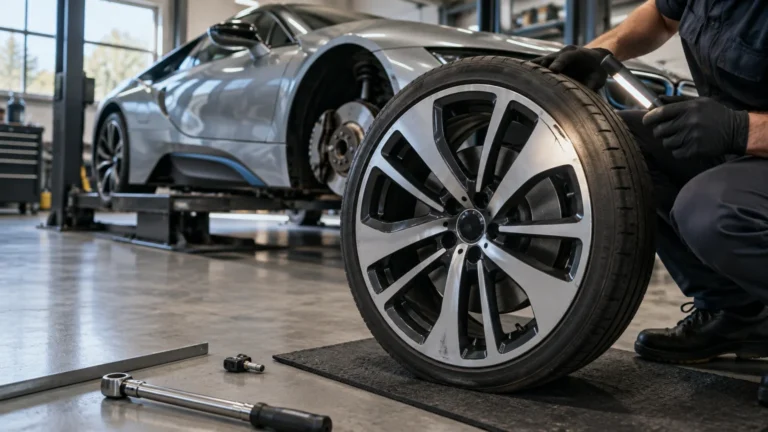
- Tires and wheel fitment
- Service costs
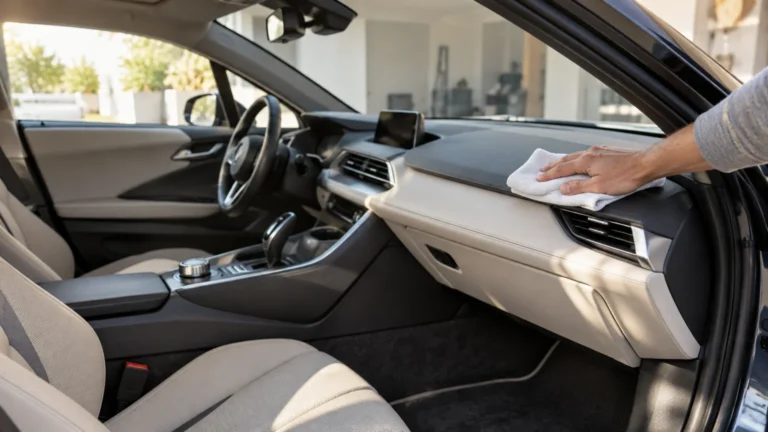
- Interior wear
- Body and carbon-fiber repairs
- Long-term storage
- Insurance considerations
- Replacement parts
- Software and electronics
- Independent shop versus BMW dealer service
The i8 is unusual, but not every part of it is mysterious.
Many systems came from the broader BMW parts and technology catalog. The gasoline engine has roots in other BMW Group products. Other components require more specialized knowledge.
A useful ownership guide should explain the difference.
It should tell readers what deserves caution, what is manageable, and what online discussion has made sound more frightening than it really is.
Buying a BMW i8 Without Buying the Wrong BMW i8
Used i8 prices can make the car look surprisingly attainable.
The purchase price is only the beginning of the decision.
Early Coupes, updated models, special editions, and Roadsters can differ in ways that matter. Mileage may be less important than service history. Cosmetic damage around the low bodywork can tell a story. The condition of the wheels, tires, charging equipment, interior trim, doors, and underbody all deserves attention.
A cheap i8 with unanswered questions is not automatically a bargain.
Our buying coverage helps readers understand:
- Differences between model years
- Coupe versus Roadster tradeoffs
- Early car versus updated car
- Options worth finding
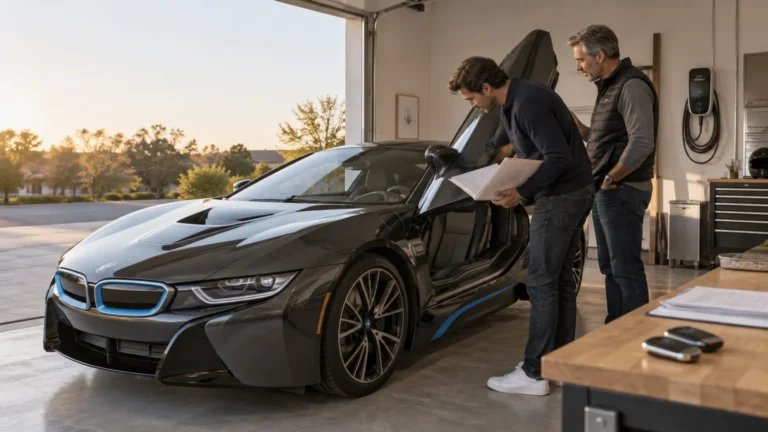
- Pre-purchase inspection priorities
- Charging-system checks
- Battery condition
- Accident and repair history
- Carbon-fiber damage concerns
- Dealer warranties
- Private-party purchases
- Ownership costs after the sale
The goal is not to scare people away from the i8.
It is to help them buy the right one.
Because the best time to discover an expensive problem is before the car is in your garage.
Read the BMW i8 Buying Guides
Coupe or Roadster?
The i8 Coupe is the original idea in its purest form.
It has the dramatic shape, small rear seats, unusual doors, and the sense that the concept car somehow reached production with most of its personality intact.
The i8 Roadster arrived later with an updated powertrain and an open roof. BMW began producing the Roadster alongside the revised Coupe in 2018.
Neither is simply the better car.
The Coupe offers more of the original i8 experience. The Roadster feels more personal and exposed. It gives up the small rear seating area but adds open-air driving to a shape that was already designed to attract attention.
The right choice depends on what the owner wants the car to be.
A weekend escape.
A design object.
A daily driver.
A future collectible.
Or simply the car they have wanted since the first concept appeared.
We compare the two without pretending there is one correct answer.
The i8 Is Becoming Something New
BMW ended i8 production in June 2020. The final 18 cars were individually finished Roadsters produced for customers in colors that had not previously been offered on the model.
That ended the i8’s life as a new car.
It also began its second life.
The i8 is now old enough to be understood outside the expectations that surrounded its launch. It no longer needs to prove that every sports car will follow its exact formula. It does not need to beat the newest EV in an acceleration test.
Instead, the i8 can be judged for what it was.
A serious production experiment.
A design statement.
An early attempt to combine electric driving, lightweight construction, efficiency, and sports-car theater in one usable machine.
The features that once seemed strange now give the car character. The modest engine is part of the story. The short electric range reflects the era. The interior shows what BMW thought the future would look like before giant screens took over nearly every dashboard.
Cars become more interesting when time removes them from the sales race.
The i8 is reaching that point.
Design Matters Here
The i8 cannot be understood through performance figures alone.
Its design is the reason strangers still turn around.
The floating rear bodywork, layered surfaces, low nose, narrow lighting, exposed aerodynamic channels, and lifting doors create a silhouette that is difficult to confuse with anything else.
BMW did not take a normal coupe and add blue trim.
The entire car was shaped around a different idea of movement.
That makes the i8 a natural starting point for broader conversations about BMW design.
My BMW i8 covers:
- BMW concept cars
- Changes in BMW design language
- Iconic grilles and lighting signatures
- Interior design
- Aerodynamics
- Materials and lightweight construction
- BMW Individual colors
- Special editions
- Design controversies
- Cars that improved with age
- Cars that may not
We take design seriously without pretending taste can be reduced to a correct answer.
A controversial BMW may look better in person. A popular design can age poorly. A car dismissed at launch may become the one everyone wants ten years later.
The i8 is proof that time gets a vote.
Beyond the BMW i8
The i8 remains the center of this site, but it is not the limit.
Its story connects to nearly every important part of modern BMW.
It connects to BMW i and the company’s early investment in electrified vehicles.
It connects to BMW M and the question of how performance changes when electric motors join or replace combustion engines.
It connects to carbon-fiber manufacturing, sustainable materials, software, design, concept cars, and the growing tension between tradition and change.
That gives us room to cover the rest of BMW with a clear point of view.
Expect stories about:
- BMW M cars
- Electric BMW models
- Plug-in hybrids
- Classic BMWs
- Modern BMW design
- New model launches
- Concept vehicles
- Used BMW buying advice
- Reliability and ownership
- BMW technology
- Motorsport
- Tuned and modified cars
- Future BMW products
We will cover the familiar icons.
But we are just as interested in the cars that were misunderstood, overlooked, or too early.
Performance Is More Than Horsepower
BMW has built its reputation around driving.
That idea has changed over time.
For one generation, the ideal BMW may be a compact sedan with a naturally aspirated inline-six and a manual transmission. For another, it may be a turbocharged M car with enormous power. For someone else, it may be an electric sedan that can be quiet in traffic and unexpectedly fast when asked.
The i8 offers another definition.
It is not brutal. It is not built around excess. It uses different power sources to create a car that feels light, responsive, and unusual.
That approach deserves more attention.
My BMW i8 looks at the entire driving experience:
- Steering and chassis balance
- Power delivery
- Braking feel
- Ride quality
- Sound
- Visibility
- Driving position
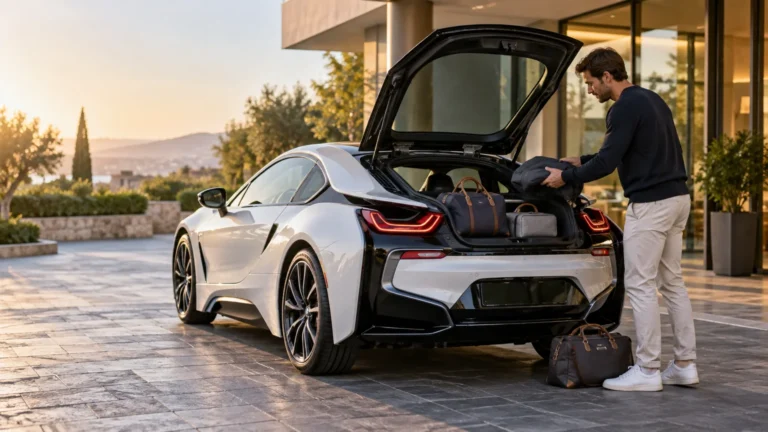
- Everyday usability
- Efficiency
- The way a car makes an ordinary trip feel
A spec sheet can tell you which car is faster.
It cannot always tell you which car you will remember.
Modifications Without Ruining the Idea
The i8 presents an unusual challenge for owners who want to personalize it.
The car already looks heavily modified from the factory. Small changes can sharpen the design. The wrong changes can overwhelm it.
We cover wheels, suspension, tires, wraps, exhaust systems, aerodynamic parts, interior upgrades, lighting, charging equipment, and carefully selected performance changes.
But more is not always better.
A modification should solve a problem, improve the driving experience, or make the car feel more personal. It should not exist only because a catalog had an empty checkbox.
The same rule applies across BMW ownership.
Some cars benefit from a restrained approach.
Others are asking for more power before they leave the dealership.
We explain the tradeoffs, including warranty concerns, drivability, resale, reliability, and whether the modification works outside a photograph.
Honest Coverage for People Who Like BMWs
Liking a brand does not require defending everything it does.
BMW has built brilliant cars.
It has also built confusing interfaces, introduced controversial designs, charged heavily for simple options, and made decisions that deserve criticism.
My BMW i8 is enthusiastic without becoming obedient.
We can appreciate the i8’s construction while acknowledging its compromises. We can enjoy an M car without pretending every increase in power improves it. We can respect BMW history without demanding that every new model copy the past.
Good coverage should make the cars easier to understand.
That means praising what works, questioning what does not, and being honest when the answer depends on what the owner values.
For the People Who Keep Looking Back
The i8 creates a specific kind of ownership experience.
You park it.
You walk away.
And then you look back.
That moment explains more about the car than a long list of specifications.
My BMW i8 is for current owners, future buyers, former owners, BMW enthusiasts, and people who remain fascinated by a car that looked impossible and then appeared in showrooms.
Come here to understand the i8.
Stay for the wider BMW story.
The future has changed since the i8 arrived.
The car has not stopped looking like it belongs there.
Read the Latest BMW i8 Articles
Explore Ownership Guides
Browse BMW News and Reviews